
Opportunities within Africa: moving, working and studying across the continent
Abroad does not have to mean the West. An introduction to African destinations, regional free-movement agreements and where to check the official rules.
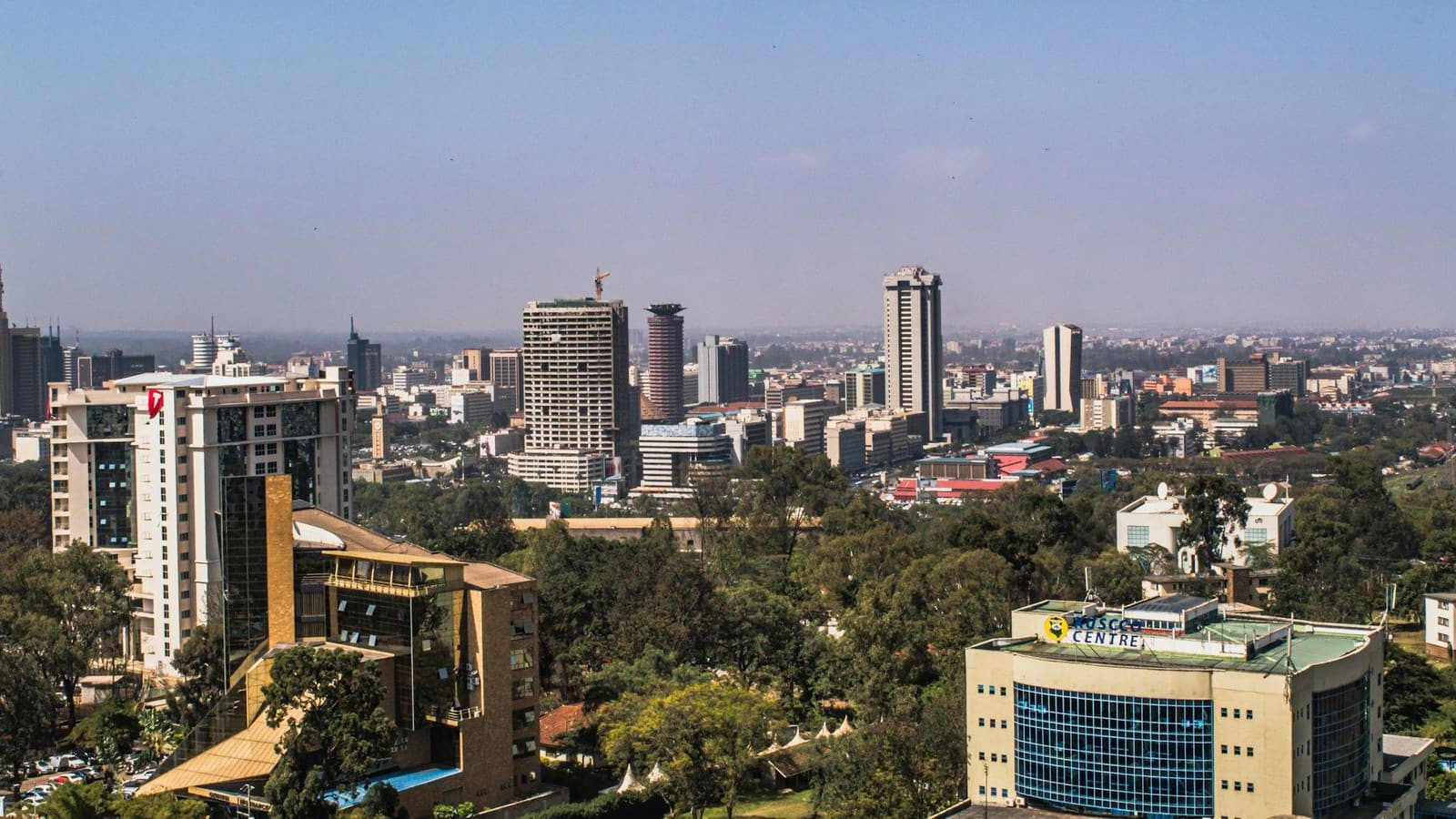
When people talk about moving “abroad”, they often mean North America, Europe or Australia. But “abroad” can also mean another African country. That can mean shorter distances from family and, for some nationalities, simpler entry rules under regional agreements.
Last verified: 12 October 2026. Every fact below was checked that day against the official sources listed at the end of this article. Rules change, so always confirm the current rules for your own nationality before you make plans.
Destinations to explore
We have country guides for several African destinations, each linking to the official immigration authority:
- South Africa: the Department of Home Affairs lists a Critical Skills Work Visa among its official visa types.
- Kenya: a member of the East African Community (see below).
- Rwanda: the Directorate General of Immigration and Emigration publishes its visa and permit services and an Occupation on Demand List.
- Ghana and Nigeria: West African countries covered by the ECOWAS free-movement protocol (see below).
- Morocco and Egypt: North African destinations; see each guide for the official visa and residence portals.
- Mauritius: the Economic Development Board publishes a Premium Visa for people who live and work remotely from Mauritius, and Occupation Permit routes for professionals.
Regional free-movement agreements
Regional economic communities can make it easier for their citizens to travel and, in some cases, to live and work in other member states. What they cover varies, and so does how they work in practice.
ECOWAS (West Africa). Under the ECOWAS Protocol relating to Free Movement of Persons, Residence and Establishment, a citizen of a member state visiting another member state for up to 90 days can enter without a visa through an official entry point, with a valid travel document and an international health certificate. A longer stay needs permission from the host country. The protocol sets out three phases: right of entry and abolition of visas, then right of residence, then right of establishment. Member states can still refuse entry to people classed as inadmissible under their own laws. Check the ECOWAS website for the current list of member states.
EAC (East Africa). The EAC Common Market Protocol, in force since 2010, provides for free movement of persons and of workers between Partner States, including entry without a visa for citizens of other Partner States. These rights are not absolute: host states can limit them on grounds of public policy, security or health, and employment rights apply in line with each country’s national laws. The EAC itself notes that the common market has not yet been fully implemented.
African Union Free Movement Protocol. The AU Assembly adopted the Protocol on Free Movement of Persons, Right of Residence and Right of Establishment on 29 January 2018. Under its Article 33, it enters into force 30 days after the fifteenth ratification. The AU’s published status list (dated 8 August 2023) shows 32 signatures and 4 ratifications (Mali, Niger, Rwanda, and São Tomé and Príncipe), so it is not yet in force on that record.
AfCFTA. The African Continental Free Trade Area is a trade agreement; the Secretariat lists trade in goods and trade in services among its focus areas, and trading under it started on 1 January 2021. It does not by itself give individuals a right to live or work in another country.
Practical tips
- Start with the official immigration authority for the country you are considering. Our country guides link to each one.
- Check your own nationality. Rules for visitors and workers often depend on the passport you hold and any regional agreements your country belongs to.
- Verify qualifications early. Many professions require registration with a local regulator before you can work.
- Be wary of agents who promise guaranteed jobs or permits for a fee, wherever you are moving.
Explore the country directory by region to compare destinations side by side.
Sources & official links
- African Union: Free Movement of Persons Protocol (signature and ratification list)au.int
- ECOWAS Protocol A/P.1/5/79 relating to free movement of persons, residence and establishmentecowas.int
- African Union: Free Movement Protocol treaty page and text (Article 33, entry into force)au.int
- East African Community: Common Market (free movement of persons and workers)eac.int
- ECOWAS: Member Statesecowas.int
- AfCFTA Secretariat: trade in goods and trade in servicesau-afcfta.org
- South Africa Department of Home Affairs: types of visas (Critical Skills Work Visa)dha.gov.za
- Rwanda Directorate General of Immigration and Emigrationmigration.gov.rw
- Economic Development Board Mauritius: Premium Visa and work routesedbmauritius.org
Visa & Beyond provides general educational information and is not affiliated with any government or immigration authority. This is not legal or immigration advice. Always confirm current requirements on official websites. Disclaimer